How to Shop for Mortgage Lenders in Florida: A Step-by-Step Guide for 2026

Shopping for a mortgage lender in Florida involves more than comparing interest rates — flood zone designations, homestead exemption timing under Florida Statute 196.031, and the state’s no-income-tax advantage all shape what you qualify for and which lender is the right fit. This step-by-step guide shows Florida homebuyers and homeowners how to protect their credit, decode loan estimates, and find the best lender for their specific situation in 2026.
Piggyback Loan vs PMI in Florida: 7 Strategies to Choose the Right Path

When buying a Florida home with less than 20% down, choosing between a piggyback loan and PMI depends on your credit score, DTI ratio, how long you plan to stay, and Florida-specific factors like flood insurance and homestead exemption timing. This guide delivers seven actionable strategies, a worked breakeven calculation, and a side-by-side comparison table — including when FL Assist or VA financing makes the entire piggyback loan vs PMI debate irrelevant.
Bank Statement Approval Example: $120,000 Income

See a bank statement approval example with real income math, documentation rules, reserve guidance, and practical tips for Florida self-employed buyers.
Mortgage Closing Costs Breakdown in Florida: Every Fee Explained for 2026
Florida mortgage closing costs can feel overwhelming, but every line item on your Loan Estimate has a clear category, a legal basis, or a vendor behind it. This guide delivers a complete mortgage closing costs breakdown for Florida buyers in 2026 — explaining fixed versus negotiable fees, Florida-specific charges like documentary stamp and intangible taxes, and how down payment assistance programs can reduce what you bring to the closing table.
How to Refinance to Lower Your Monthly Payment: A Florida Homeowner’s Step-by-Step Guide

This step-by-step Florida homeowner’s guide explains exactly how to refinance to lower monthly payment — from confirming whether a refinance makes financial sense to navigating Florida-specific factors like the Homestead Exemption, flood zone designations, and the state’s no income tax advantage on debt-to-income ratios. Each stage of the decision sequence is covered so borrowers can reduce their monthly costs while protecting the equity they’ve built.
Best Loans for Florida Condos for Buyers
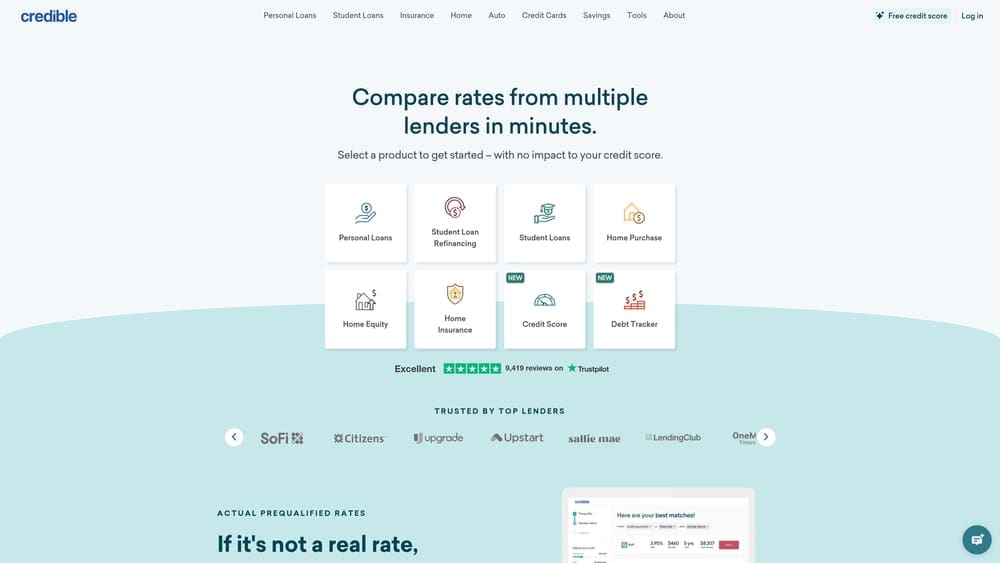
Compare the best loans for Florida condos, from conventional and VA to DSCR and foreign national options, with condo approval tips that protect your deal.
Teacher Home Loan Programs in Florida: 7 Strategies to Buy Smarter in 2026

Florida teachers can combine statewide Florida Housing Finance Corporation programs, federal loan structures, and the state’s no-income-tax DTI advantage to meaningfully reduce upfront costs and qualify for larger loan amounts. This guide breaks down seven concrete teacher home loan programs Florida educators can stack in 2026, complete with breakeven math, county income limits, flood zone considerations, and Homestead Exemption savings.
Credit Score Needed for a Conventional Loan in Florida: What the Numbers Really Mean in 2026
The minimum credit score needed for a conventional loan in Florida is 620 under Fannie Mae guidelines, but the more important story is how score tiers above that threshold drive Loan-Level Price Adjustments (LLPAs) that can shift your interest rate — and cost or save you thousands over a 30-year mortgage. This guide breaks down what the numbers really mean for Florida buyers in 2026, including how to check your eligibility without a hard credit inquiry.
7 Best Property Financing Strategies for Florida

Compare the best property financing strategies for Florida buyers and investors, from VA and FHA to DSCR, DPA, HELOCs, and bank statement options today.
Mortgage Denied After Pre-Approval in Florida: Why It Happens and How to Recover
A mortgage denied after pre approval is a specific, solvable setback — not the end of your homeownership journey. This guide breaks down the five most common triggers Florida buyers face after pre-approval, from credit changes and income disruptions to appraisal shortfalls and DTI creep, with actionable recovery steps for each.