Mortgage Pre-Approval Letter Cost in Florida: What You Actually Pay (and What You Don’t)

The mortgage pre-approval letter itself is typically free in Florida, but the real costs hide in credit inquiry type, lender access, and Florida-specific factors like flood insurance and property tax projections. This guide gives Florida homebuyers a precise, honest breakdown of what they actually pay — and the decisions that quietly cost far more than any upfront fee.
How to Compare Jumbo Loan Rates in Florida Without Guessing — or Getting Burned

Florida buyers financing above the 2026 FHFA conforming limit of $806,500 face a jumbo market where pricing varies dramatically by lender, credit profile, and loan size — making comparison essential. This guide delivers seven concrete strategies for verifying that your jumbo loans lender offers the best available rate, fee structure, and underwriting terms before you commit.
Lock In My Mortgage Rate or Wait? A Florida Buyer’s Decision Guide for 2026
Deciding whether to lock in your mortgage rate or wait is one of the most consequential — and time-pressured — choices in the Florida homebuying process. This guide breaks down the three concrete variables that drive the right answer: your closing timeline, the current rate environment trend, and your debt-to-income buffer, with Florida-specific context that makes every rate move carry extra dollar weight.
How to Negotiate Mortgage Fees in Florida: A Step-by-Step Guide for 2026

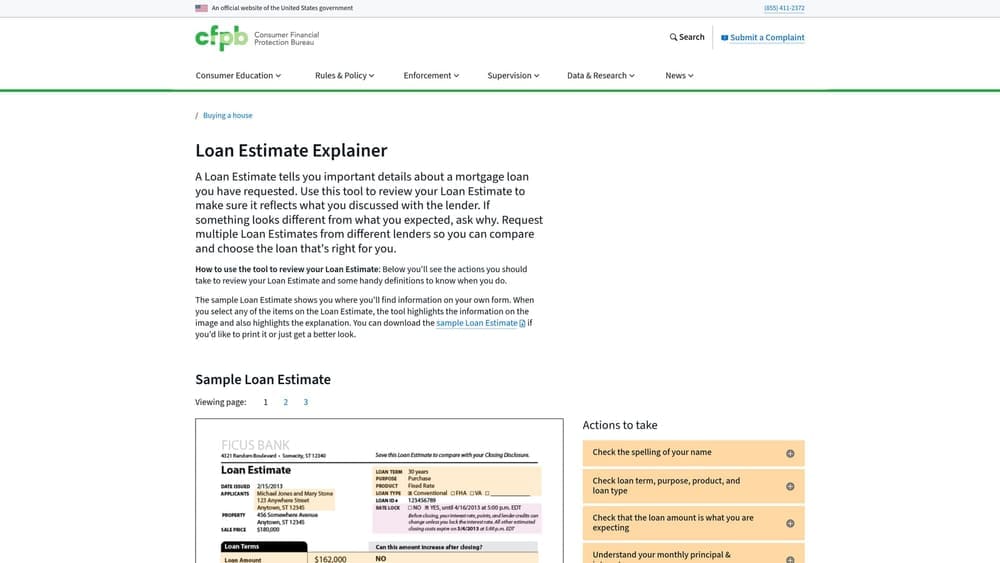
Most Florida homebuyers overlook thousands of dollars in negotiable closing costs hiding inside their Loan Estimate. This step-by-step guide explains exactly how to negotiate mortgage fees in Florida — which charges lenders control, how to use competing offers as leverage, and how Florida-specific costs like documentary stamp taxes and flood zone disclosures affect your bottom line.
Mortgage Without Tax Returns in Florida: How to Qualify Step by Step
Self-employed borrowers, freelancers, and real estate investors in Florida can qualify for a mortgage without tax returns using alternative income documentation programs such as bank statement loans, 1099 loans, and DSCR loans. This step-by-step guide explains which programs apply, what documentation lenders accept, and why Florida’s no state income tax gives non-traditional borrowers a measurable DTI advantage.
7 Proven Strategies to Qualify for a Portfolio Loan in Florida
Portfolio loan lenders in Florida offer a critical alternative for self-employed borrowers, real estate investors, and buyers targeting non-warrantable condos or short-term rental properties who don’t fit conventional agency guidelines. This guide breaks down seven proven strategies to help creditworthy Florida borrowers qualify, compare lenders, and close — even when Fannie Mae and Freddie Mac say no.
7 Stated Income Mortgage Alternatives for Florida Borrowers Who Can’t Use Tax Returns
Florida self-employed professionals, real estate investors, and gig workers often can’t qualify for conventional mortgages using tax returns alone — but stated income mortgage alternatives like bank statement loans, DSCR loans, and other non-QM programs offer a more accurate path to approval. This guide compares seven of the most effective options available to Florida borrowers today.
Construction to Permanent Loan Florida: How to Finance a Custom Build in 2026
A Construction To Permanent Loan Florida combines the build-phase financing and long-term mortgage into a single closing — one application, one set of closing costs, and an automatic conversion once your certificate of occupancy is issued. This guide explains how the process works across Florida counties, what lenders require, and how to navigate flood zone and permitting complexities unique to the state.
Mortgage for Manufactured Home in Florida: How to Qualify, Compare, and Close in 2026
Manufactured homes represent a significant and often misunderstood slice of Florida’s housing market — and true mortgage financing through FHA, VA, and conventional programs is fully available to qualified buyers. This guide explains how to meet lender requirements, leverage Florida’s no-state-income-tax DTI advantage, and navigate the key steps that separate a real mortgage from a costly chattel loan.
Refinance My 30-Year Mortgage to a 20-Year: Is It the Right Move in Florida?

This guide helps Florida homeowners evaluate whether to refinance a 30-year mortgage to a 20-year term by breaking down the real payment-versus-interest trade-off, the DTI advantage Florida’s no state income tax creates, and the three personal numbers that determine whether the shorter term is a financial win or a cash-flow risk.