
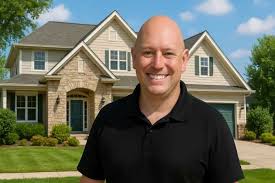
A construction loan Florida buyers can use is not simply a mortgage for a house that has not been built yet. It is a financing plan for land, plans, permits, contractor draws, inspections, and the permanent loan that follows. In Florida, where insurance, wind requirements, flood zones, and contractor timelines can materially change a budget, the right structure matters before the first permit is pulled.
By Duane Buziak, NMLS #1110647 – Duane has produced $95.6 million as a solo originator under one NMLS number and is licensed to originate in VA, FL, TN, GA, and DC. His approach is simple: clear the financing questions early, so the build does not become an expensive surprise later.
Table of Contents
- How a construction loan works in Florida
- One-time close versus two-time close financing
- A full construction budget example
- Credit, land, builder, and insurance checkpoints
- How to prepare before signing a building contract
- Construction loan Florida FAQs
How a construction loan works in Florida
A typical construction loan funds the project in stages, called draws. Rather than receiving the entire loan amount at closing, your builder requests funds as work is completed. An inspection or other verification usually confirms the applicable phase before the next draw is released.
That draw structure protects all parties, but it also means timing is real. A builder waiting on a draw, a permit revision, a weather delay, or a change order can affect the construction calendar. Florida borrowers should plan for a contingency reserve and should not treat the builder’s original estimate as the final cash requirement.
During construction, payments are commonly based on the amount already disbursed, not the full approved loan amount. Once the home is complete, the loan either converts to a permanent mortgage or is replaced by a separate permanent loan. The exact mechanics depend on the program, property type, borrower profile, and builder approval.
A soft pull mortgage pre-approval Florida buyers request can be a smart starting point. It lets you review a preliminary borrowing picture before a hard inquiry is needed. FloridaMortgageMaestro’s NoTouch Credit Pull is designed to help buyers begin that conversation with no credit hit, while recognizing that a full application and underwriting review will still require documentation and may require a hard credit inquiry later.
One-time close versus two-time close financing
The main decision is often whether to use one closing or two. Neither is automatically better. A one-time-close structure can reduce the need to qualify again after the build, while a two-time-close structure may give you more flexibility if your permanent financing needs change before completion.
| Decision point | One-time close construction financing | Two-time close construction financing |
|---|---|---|
| Number of closings | One closing for construction and permanent financing | Construction closing first, permanent financing later |
| Qualification timing | Permanent financing is generally addressed upfront | Borrower typically qualifies again for the permanent loan |
| Rate planning | May offer earlier certainty, subject to program terms | Permanent financing terms are determined closer to completion |
| Closing-cost exposure | Potentially fewer transaction costs | Two transactions can mean separate closing-related costs |
| Best fit | Buyers who value an integrated path from lot to finished home | Buyers who want to reassess permanent financing after construction |
A one-time close can be especially appealing when you are building a primary residence and want fewer moving parts. A two-time close can make sense when the construction phase is lengthy, your income may change, or you expect to refinance the permanent loan strategy when the home is finished. The trade-off is certainty versus flexibility, and the answer should come from the numbers, not a sales pitch.
A fully worked Florida construction budget example
Assume you are purchasing a lot for $120,000 and building a home with a contracted construction cost of $480,000. You also budget $30,000 for site work and permits, plus a $20,000 contingency reserve. Your total project cost is:
$120,000 land + $480,000 construction + $30,000 site work and permits + $20,000 contingency = $650,000 total project cost.
If the completed home appraises at $700,000 and the program permits financing at 80% of the completed value, the maximum loan based on value is:
$700,000 x 80% = $560,000 maximum loan amount.
Your required contribution is therefore:
$650,000 total project cost – $560,000 loan amount = $90,000.
That $90,000 is not automatically the only cash you need. You may also have deposits already paid to the builder, closing costs, prepaid insurance, reserve requirements, and costs that are not eligible for financing. If you already own the lot free and clear, its equity may help satisfy part of the required contribution, subject to program guidelines and appraisal. This is why a construction worksheet should separate project cost, appraised value, eligible costs, and actual cash to close.
The checkpoints that can make or break approval
The builder needs to be financeable too
A strong borrower can still face delays if the builder is not approved for the program. Expect a review of licensing, insurance, experience, financial capacity, references, project documentation, and the construction contract. Owner-builder financing is more limited and can require a very different conversation.
Ask early whether the contract clearly identifies allowances, draw milestones, material selections, change-order rules, and a completion timeline. Vague contracts create underwriting questions because they create budget risk.
Land is not always simple
Vacant land may be owned, financed, or purchased simultaneously with the construction loan. Its value can matter substantially, but raw land can also raise access, utility, zoning, environmental, and flood-related questions. A parcel that looks perfect online may still need a survey, feasibility work, or a clearer path for utilities before it is ready for a build loan.
Florida insurance deserves an early seat at the table
Do not wait until final underwriting to price homeowners insurance. Coastal exposure, roof design, flood-zone status, hurricane mitigation features, and the home’s replacement cost can change premiums and qualification. Your monthly housing payment is more than principal and interest, and a realistic insurance estimate protects your budget.
Credit and income must remain stable
Construction loans usually require more documentation than a standard purchase transaction because the project itself must be reviewed. Self-employed buyers may need business and personal documentation that supports consistent qualifying income. Investors building a rental may need a different program path, including DSCR or Non-QM options, depending on the project and occupancy plan.
If you are asking, can I get a mortgage pre-approval without a hard inquiry, a preliminary review may be possible through a soft credit approach. Search terms such as soft credit check mortgage, no credit hit mortgage pre-approval, and NoTouch Credit Pull Florida all point to the same practical goal: learn where you stand before making unnecessary credit inquiries. Use the NoTouch Credit Pull early, then preserve your profile by avoiding new debt, late payments, large undocumented deposits, or a job change during the build.
Prepare before you sign the contract
Start with the land and building contract, not just a target loan amount. Obtain plans, specifications, a line-item budget, contractor information, and a realistic completion schedule. Then estimate taxes, insurance, HOA costs if applicable, and the financial impact of a delay.
Next, decide what you are optimizing. If you want a straightforward transition from build to permanent financing, explore one-time-close options. If you expect meaningful changes in income, market conditions, or financing preferences, compare a two-time-close path. A broker can help compare available program structures without forcing your project into a one-size-fits-all product.
FloridaMortgageMaestro brings a statewide broker perspective to this process, from lot-and-build questions in growing inland markets to insurance-sensitive coastal construction. Duane Buziak was ranked Scotsman Guide Top Originator #114 in 2025 with $44.4 million across 124 loans, produced $51.2 million in 2026, and was named VA Broker of the Year in 2024 and 2025. Those numbers matter because construction financing demands organized communication among borrower, builder, title, insurance, appraisal, and underwriting.
Construction Loan Florida FAQs
Can I use land equity as my down payment?
Often, yes. If you own the lot, documented equity may count toward your required contribution. The usable amount depends on the appraised land value, liens, program rules, and the completed-value appraisal.
What happens if the home appraises below the construction budget?
The financing amount may be limited by the lower appraised value. You may need to increase your contribution, reduce the project scope, renegotiate costs, or select a different financing structure.
Are change orders allowed after closing?
They can be, but they are not automatic. A change order may require builder documentation, budget review, and available contingency funds. Adding features without a funding plan is one of the fastest ways to strain a project.
Can a self-employed borrower qualify for construction financing?
Yes, provided qualifying income can be documented under the selected program. Clean records, consistent deposits, business stability, and early document review are particularly valuable for self-employed applicants.
Can I build a second home or investment property?
Possibly. Eligibility, down payment, reserves, and program availability vary by occupancy type. A primary residence generally has more financing options than a second home or a rental build.
Do VA construction options exist for Florida military families?
VA-eligible borrowers may have construction financing paths, although availability and builder requirements vary. Military families near MacDill, Eglin, NAS Jacksonville, or Patrick SFB should verify the specific construction-to-permanent structure before committing to a contract.
How long does construction financing take to close?
It depends on the completeness of the plans, appraisal complexity, builder approval, title work, land status, and documentation. A well-organized file moves more predictably than a rushed contract with missing specifications.
When should I use NoTouch Credit Pull?
Use NoTouch Credit Pull before you make an offer on land or sign a construction agreement if you need a preliminary financing conversation. It is useful for planning, but it is not a final approval or a substitute for full underwriting.
A well-built Florida home starts with a budget that can survive the real world: weather, insurance, permits, material choices, and changes you did not see on the first set of plans. Get the financing structure clear before the excavation begins, and every later decision becomes easier to manage.
Legal disclaimer: This article is for educational purposes only and is not a commitment to lend or an offer of credit. Loan approval, terms, property eligibility, appraisal, builder approval, insurance, and required cash contributions are subject to program guidelines and full underwriting. Construction financing is not available for every borrower or project. Duane Buziak, NMLS #1110647, and Coast2Coast Mortgage LLC, NMLS #376205, are licensed to originate mortgage loans only in VA, FL, TN, GA, and DC.
Duane Buziak, Mortgage Maestro | NMLS #1110647 | Coast2Coast Mortgage LLC (NMLS #376205) | (804) 212-8663 | duane@coast2coastml.com | 3302 Haydenpark Lane, Henrico VA 23233 | Licensed in VA, FL, TN, GA, and DC